It is the silent confidence killer that strikes the moment you open your eyes. You wake up, perhaps reaching for a glass of water, only to be greeted by a stale, metallic taste that no amount of mouthwash seems to permanently shift. While millions of Britons dutifully scrub their teeth for two minutes twice a day, a staggering percentage are ignoring the veritable reservoir of bacteria that resides just millimetres away. The culprit is not usually stuck between your molars, but rather embedded in the textured landscape of your tongue.
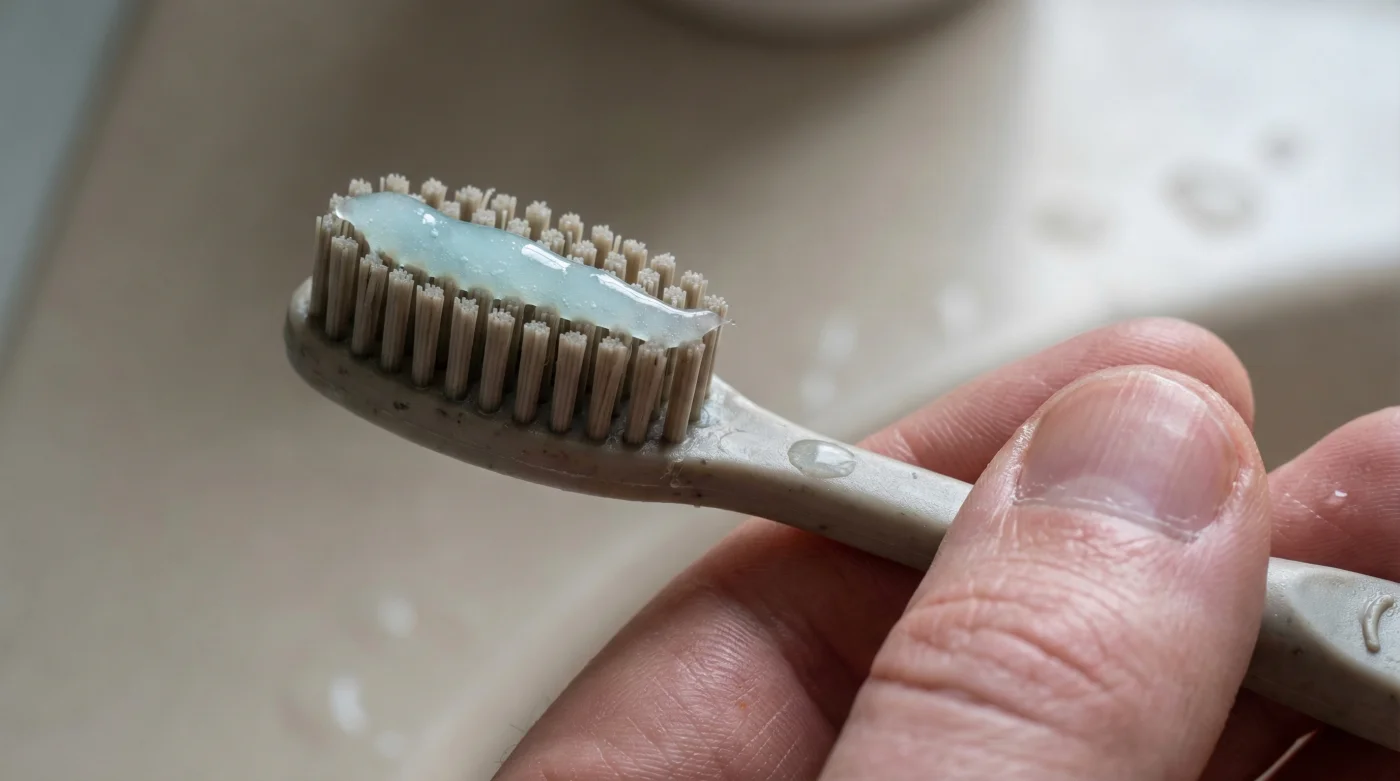
There is a specific, often overlooked physical action—a ‘scrape’ rather than a scrub—that dental professionals have quietly advocated for decades. It targets the very source of Volatile Sulphur Compounds (VSCs), the chemical agents responsible for that embarrassing Morning Breath odour. By incorporating a pea-sized amount of specialised tongue-cleaning paste and a specific tool into your routine, you disrupt the biofilm that accumulates overnight, stopping halitosis before it even begins. But to do this correctly, one must understand the biology of the mouth.
The Biology of the ‘Carpet’ in Your Mouth
Your tongue is not a smooth surface; it is a complex organ covered in papillae, creating a texture akin to a deep-pile carpet. While this texture is essential for taste and digestion, it creates the perfect anaerobic environment for bacteria such as Solobacterium moorei and Porphyromonas gingivalis. These bacteria thrive in low-oxygen environments, often at the back of the tongue, where they feast on post-nasal drip and food debris.
When these bacteria break down proteins, they release sulphur gases—specifically hydrogen sulphide (the rotten egg smell) and methyl mercaptan (a faecal odour). Standard brushing often fails to penetrate the deep fissures of the tongue, merely skimming the surface. To understand why a targeted approach is superior to standard brushing, consider the differences in efficacy below.
Table 1: The Efficacy of Hygiene Interventions
| Intervention Method | Target Mechanism | Freshness Duration |
|---|---|---|
| Standard Brushing | Removes plaque from enamel; minimal tongue impact. | 30–60 Minutes |
| Mouthwash (Alcohol-based) | Masks odour; often dries mouth, worsening morning breath later. | 1–2 Hours |
| Tongue Scraping + Paste | Physically removes biofilm and neutralises VSCs. | 12–24 Hours |
Understanding that the tongue is the primary source of the odour is the first step, but the technique used to clean it determines whether you are actually removing the bacteria or simply moving it around.
The Clinical Protocol: Scrape, Don’t Scrub
Many individuals attempt to clean their tongues using the bristles of their toothbrush. While better than nothing, this often triggers the gag reflex and forces bacteria deeper into the papillae. The gold standard for eliminating Morning Breath is a dedicated tongue scraper used in conjunction with a zinc-based or oxygenating paste. The scraper provides the mechanical action to lift the coating, while the paste neutralises the gases chemically.
Scientific Dosing and Pressure
Precision is key. You do not need to scour your tongue raw. The goal is to remove the white or yellowish coating (the bacterial load) without damaging the delicate taste buds. Clinical studies suggest that the mechanical removal of this coating alone can reduce VSCs by up to 75%, compared to just 45% with a toothbrush.
Table 2: The Science of Bacterial Reduction
| Metric | Data Point / Instruction | Clinical Outcome |
|---|---|---|
| Optimal Pressure | 200–300g force (gentle drag) | Removes mucus layer without epithelial damage. |
| Frequency | Twice daily (AM/PM) | Prevents critical mass of bacterial recolonisation. |
| Paste Composition | Zinc Lactate or Chlorine Dioxide | Zinc ions bind to sulphur, rendering it odourless. |
- Put a scrape of tongue-cleaning paste on your brush for 24-hour freshness
- The ‘1910’ secret; why Steven Knight is already writing a Peaky Blinders prequel
- I tried the 2026 AI-guided brush and the pressure alert is vital
- The ‘Structural Match’ reason Kate’s burgundy belt exactly mirrored Prince William’s Armani blazer
- Open the unredacted 147-page dossier to see the warnings Starmer ignored
Diagnostic: Are You Suffering from ‘Tongue Load’?
You may be unaware of the severity of the coating on your tongue. Dental professionals use a visual assessment to determine if a patient requires an aggressive tongue hygiene protocol. Stand before a mirror in natural light, stick your tongue out as far as possible, and look for the following indicators.
- Thick White Coating = Bacterial Biofilm: A dense layer, particularly at the back, indicates a high count of anaerobic bacteria.
- Yellowish Tint = Post-Nasal Drip: Often associated with seasonal allergies or sinus issues, providing extra fuel for bacteria.
- Metallic or Sour Taste = High Acidity: This often correlates with a dry mouth (Xerostomia), which accelerates decay and bad breath.
- ‘Furry’ Appearance = Hypertrophy: Elongated papillae that are trapping significant amounts of food debris.
If you identify these symptoms, the integration of a scraper is non-negotiable; however, not all tools on the market are created equal, and some may harbour bacteria themselves.
Selecting Your Armoury: Material Matters
In the aisles of Boots or Superdrug, you will face a choice between plastic, copper, and stainless steel. From an antiseptic perspective, the material of your scraper is as important as the act itself. Plastic scrapers are porous on a microscopic level and can become breeding grounds for the very bacteria you are trying to eliminate.
Copper has been used in Ayurvedic traditions for centuries due to its oligodynamic effect—essentially, its ability to kill bacteria on contact. Stainless steel offers a sterile, easy-to-clean medical grade option. Below is a guide to ensuring you purchase a tool that aids your health rather than hindering it.
Table 3: The Quality Guide – What to Look For
| Feature | Quality Standard (Buy This) | Avoid (Don’t Buy) |
|---|---|---|
| Material | Pure Copper or Medical Grade Stainless Steel. Naturally antimicrobial and durable. | Cheap Plastic. Develops micro-cracks that harbour pathogens. |
| Design Profile | Wide, U-shaped arc. Covers the entire width of the tongue in one pass. | Narrow, high-profile heads. Increases gag reflex and misses side bacteria. |
| Flexibility | Rigid arms with flexible curve. Allows control over pressure. | Flimsy handles. Prevents consistent scraping pressure. |
Armed with the correct metal scraper and a zinc-based paste, you are ready to implement the routine that guarantees freshness from sunrise to sunset.
The 24-Hour Freshness Routine
To banish Morning Breath permanently, this routine must be performed immediately upon waking, before you drink water or coffee. Consuming liquids first simply washes the bacterial load down into your gut.
Step 1: The Morning Extraction
Apply a small bead of tongue-cleaning paste or gel to the scraper (or directly to the tongue if preferred). Extend the tongue fully. Place the scraper as far back as is comfortable—exhale gently to relax the throat and minimise the gag reflex. Pull the scraper forward with light, consistent pressure. Rinse the sludge from the tool. Repeat this motion 3 to 4 times until no more coating is removed.
Step 2: The Neutralisation
After scraping, rinse your mouth thoroughly with water. Follow this with your standard brushing routine. By removing the biofilm first, your fluoride toothpaste can better coat the teeth and gums without interacting with the loose bacteria from the tongue.
Experts agree that consistency is the primary driver of success. Within three days of this regimen, most patients report a significant improvement in their sense of taste and a complete elimination of the ‘morning fuzz’. It is a small physical adjustment—a mere 30 seconds added to your morning—that transforms your oral microbiome from a bacterial breeding ground into a zone of pristine health.
Read More